Reclamation

Home

About Us

What We Do

How We Do It
Inventory/GPS
Devegetation
Revegetation
Nursery
Reclamation
Wetlands

Project Showcase

What's New

Contact Us

Career

NATIVE RESOURCES INTERNATIONAL
RECLAMATION

NRI employs the principles of landscape ecology, reclamation planning, multivariate data analysis, and remote sensing/GIS combined in appropriate ways to improve the probability of successful restoration of impacted ecosystems. Our customer list includes golf courses, mining companies, cities (right-of ways), casinos, corporate headquarters, and State and Federal agencies.


Services

  • Vegetation sampling design

  • GIS mapping and location of resources

  • Accumulation of appropriate multivariate data sets

  • Interpretation of data via remote sensing/GIS

  • Wetland delineation

  • Jurisdictional (404) wash mitigation planning

  • Environmental consultation, assessments, and impact statements

  • Development of reclamation plan and land use planning

  • Amelioration of acidic or toxic elements

  • Plant selection and Phytoremediation

  • Collection of native seed

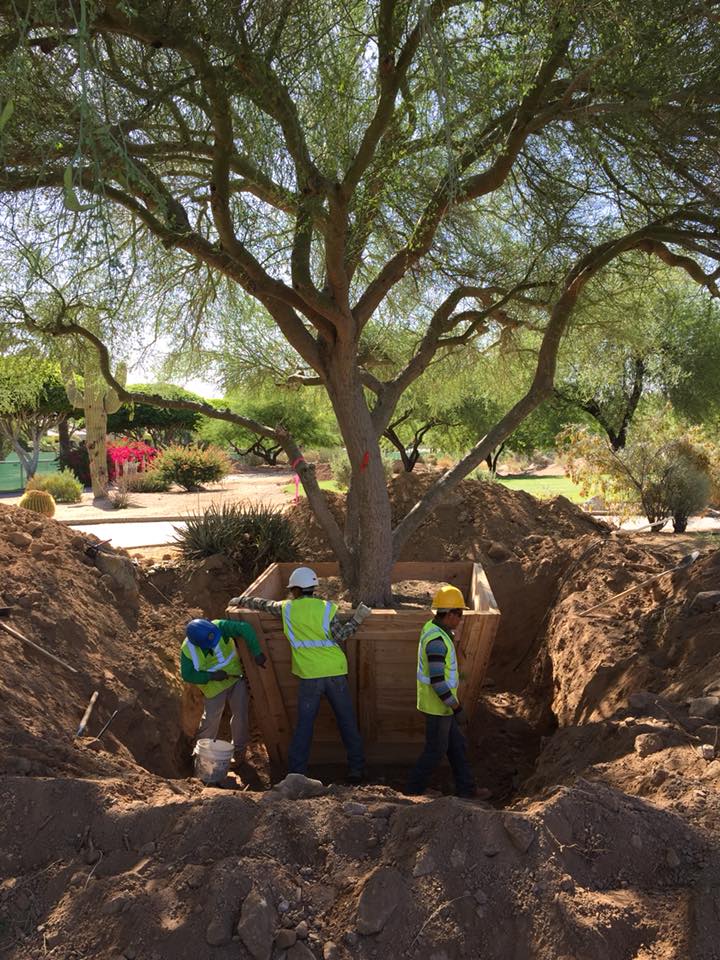
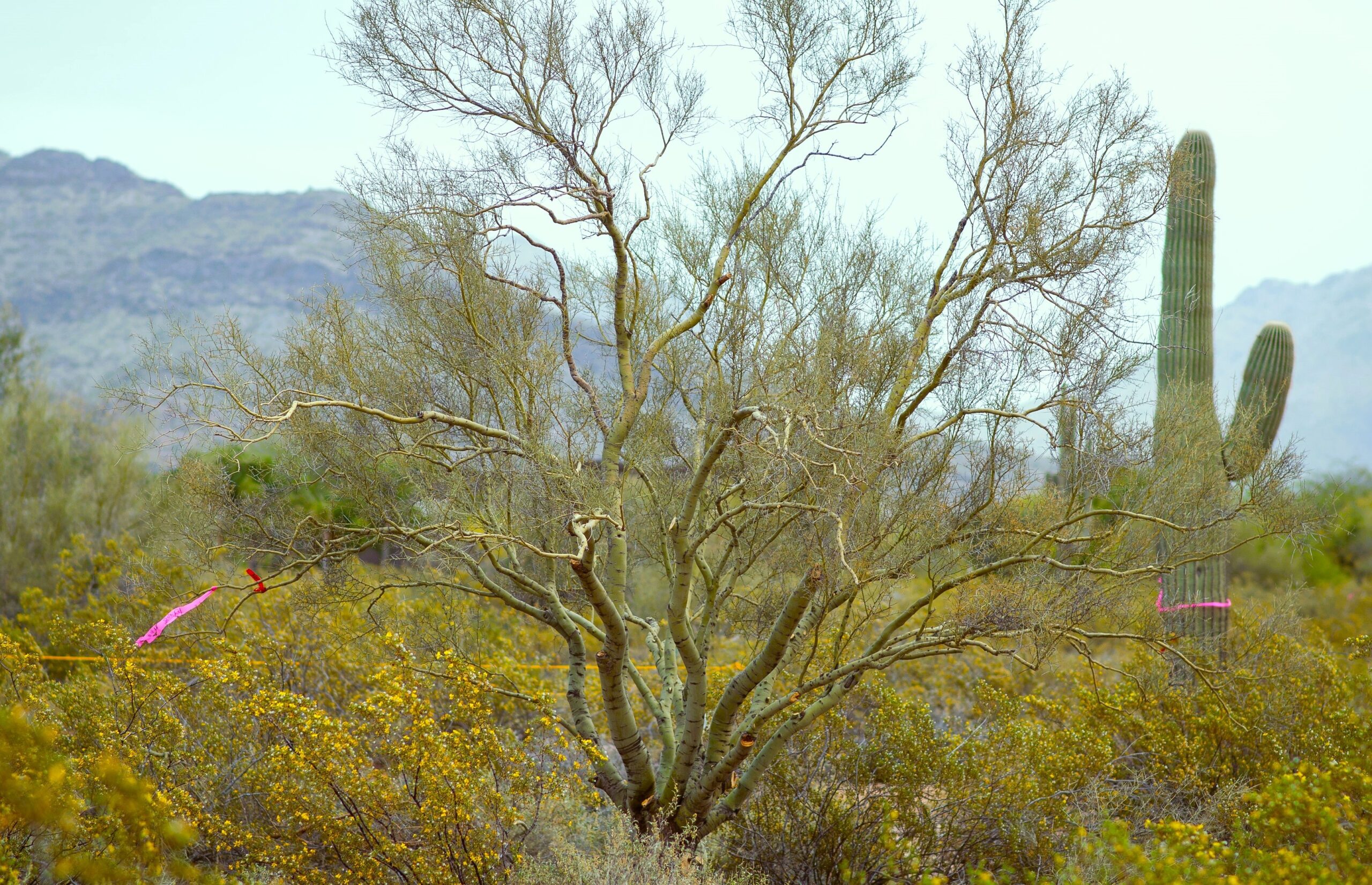
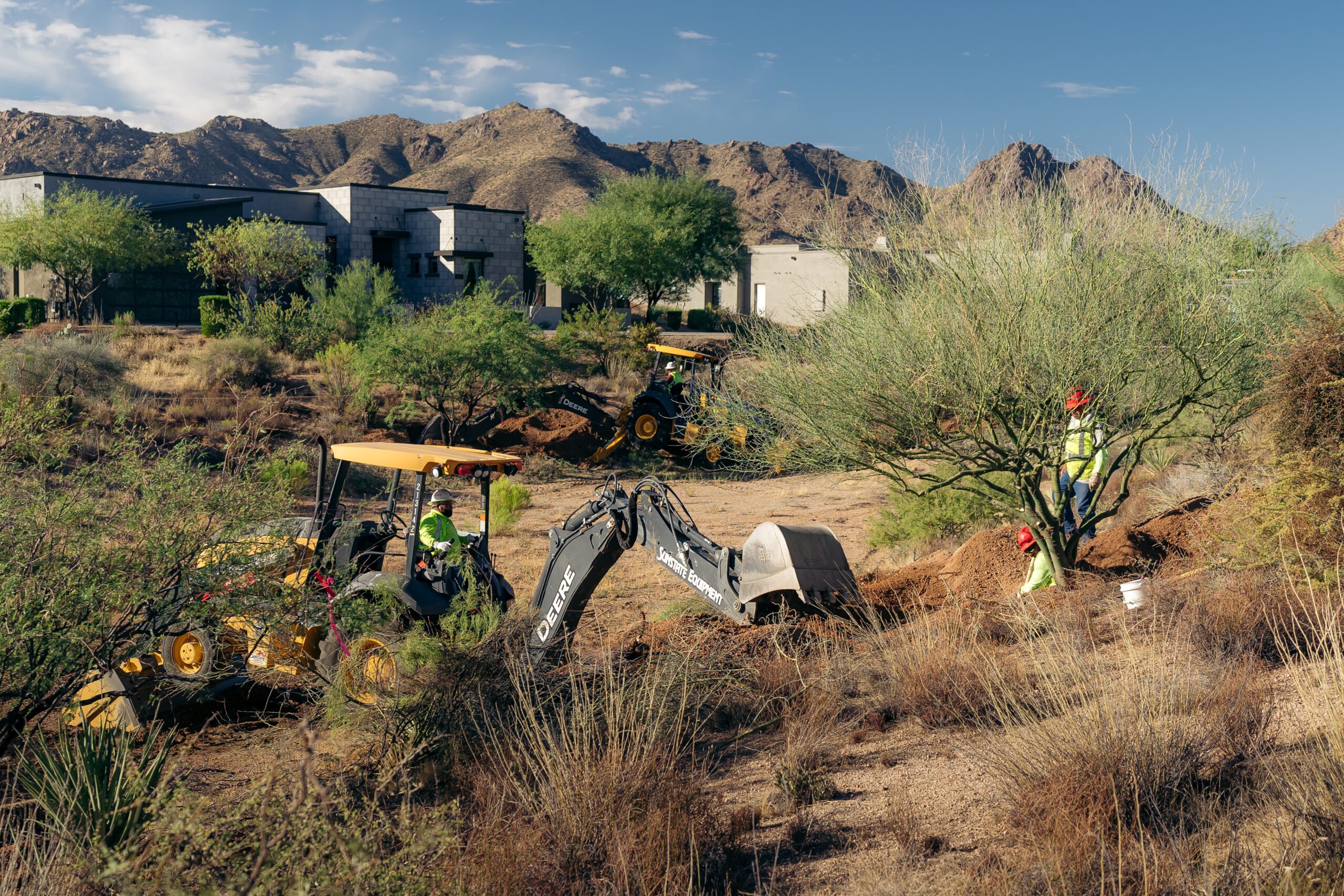
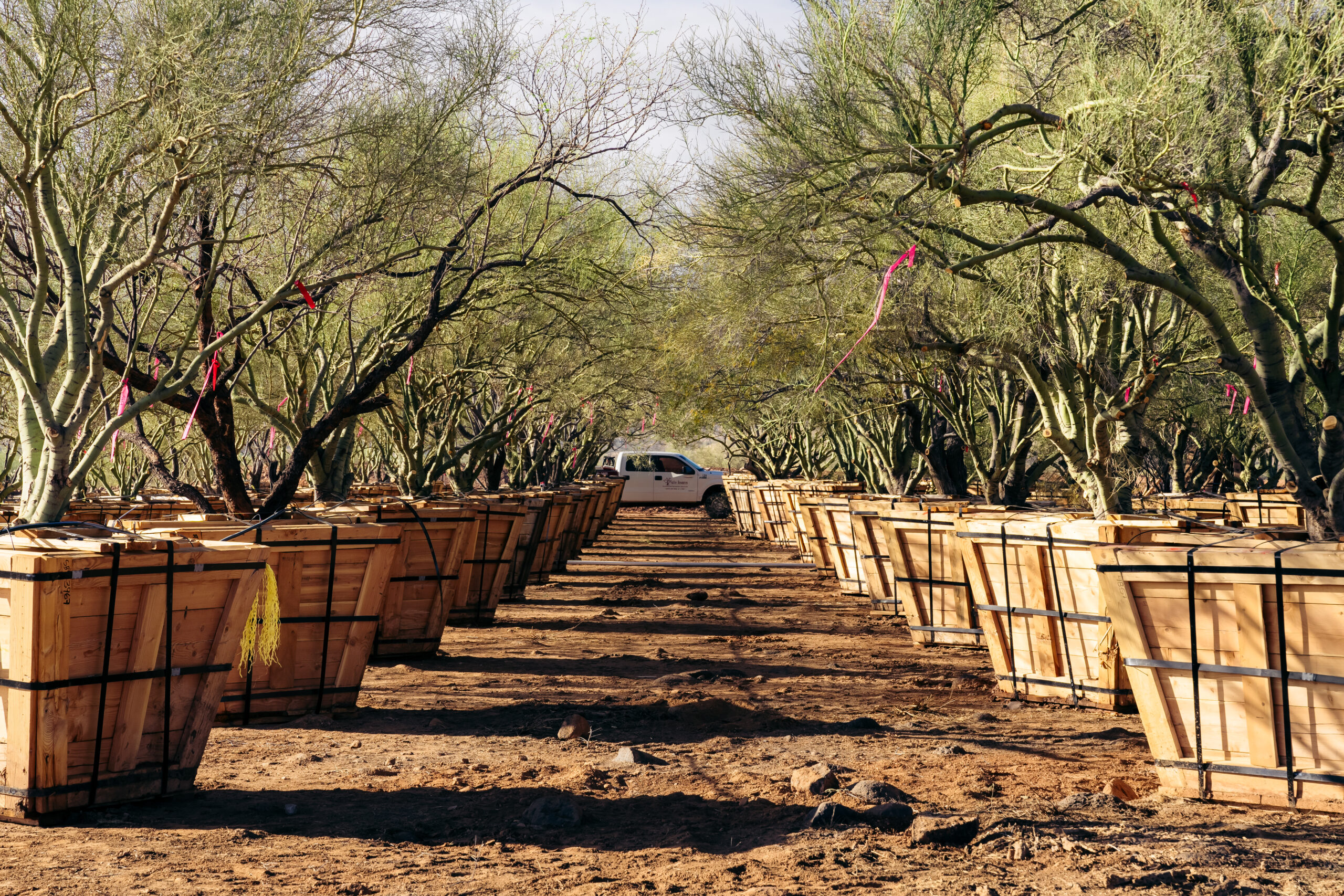
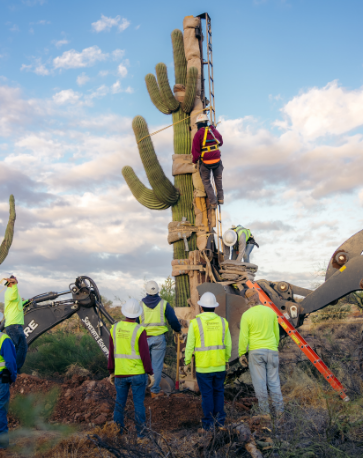
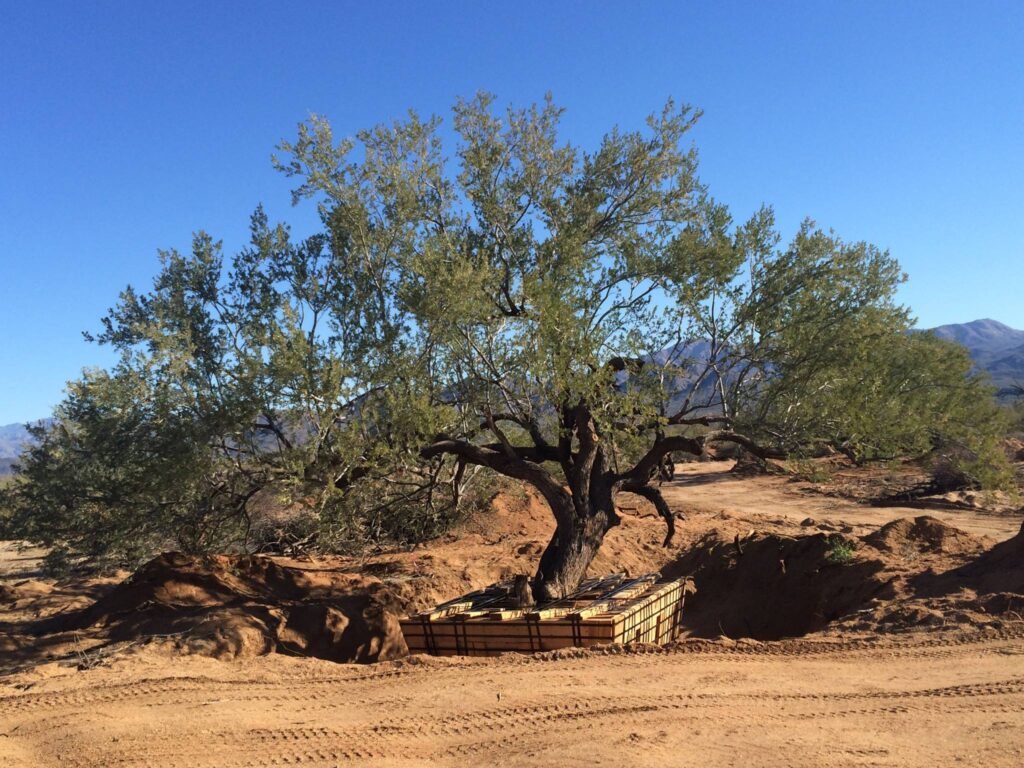
  • Native tree, cacti, succulents, and woody shrub salvage

  • Nursery establishment

  • Revegetation

  • Erosion control

  • Mycorrhizal inoculation

  • Hydroseed application

  • Rock aging with Permeon and Ionite coatings

  • Forest mulch collection and application

  • Long-term monitoring and management

  • Bond release

Reclamation Defined

Reclamation often depends upon construction of ecosystems literally from bedrock up. The reclamationist has the power to affect environmental changes both near and distant in space and in time. Using the energy, machinery, and geological and biological materials at hand (all of which can be considered "resources"), the reclamationist determines the new ecosystem's internal (on-site) characteristics: topography, potential soils, on-site hydrology, environmental and biological diversity, microclimate, soil quality and productivity, potential post disturbance land uses, and on-site aesthetic relationships.

The term "reclamation" as commonly used actually encompasses three somewhat different goals of ecosystem construction. These were defined in 1974 by the National Academy of Sciences as follows:
Reclamation: An attempt to create an ecosystem similar to the original or predisturbance ecosystem. It can include introduced species that respond similarly to the native species which they replace.
Rehabilitation: Producing an alternative ecosystem, one that falls within the existing land uses of the area but replaces a native ecosystem with a pasture, park, etc.
Restoration: Re-creation of conditions which are identical before and after disturbance.

Regardless of the goal, restoration, rehabilitation, or the more narrowly defined reclamation, it is understood that the goal includes a stable ecosystem. It is also assumed that characteristics of the reclaimed ecosystem are consistent with surrounding environments and land uses.

Criteria for Selecting Species

Reclamation success depends on plant establishment, which, in turn, depends on selection of species that are suitable for site conditions and post disturbance land uses. Seven major criteria are used for determination of species: land use, adaptation to site, availability, genetic improvement, associated soil microorganisms, stability and succession.

Planting Woody Species

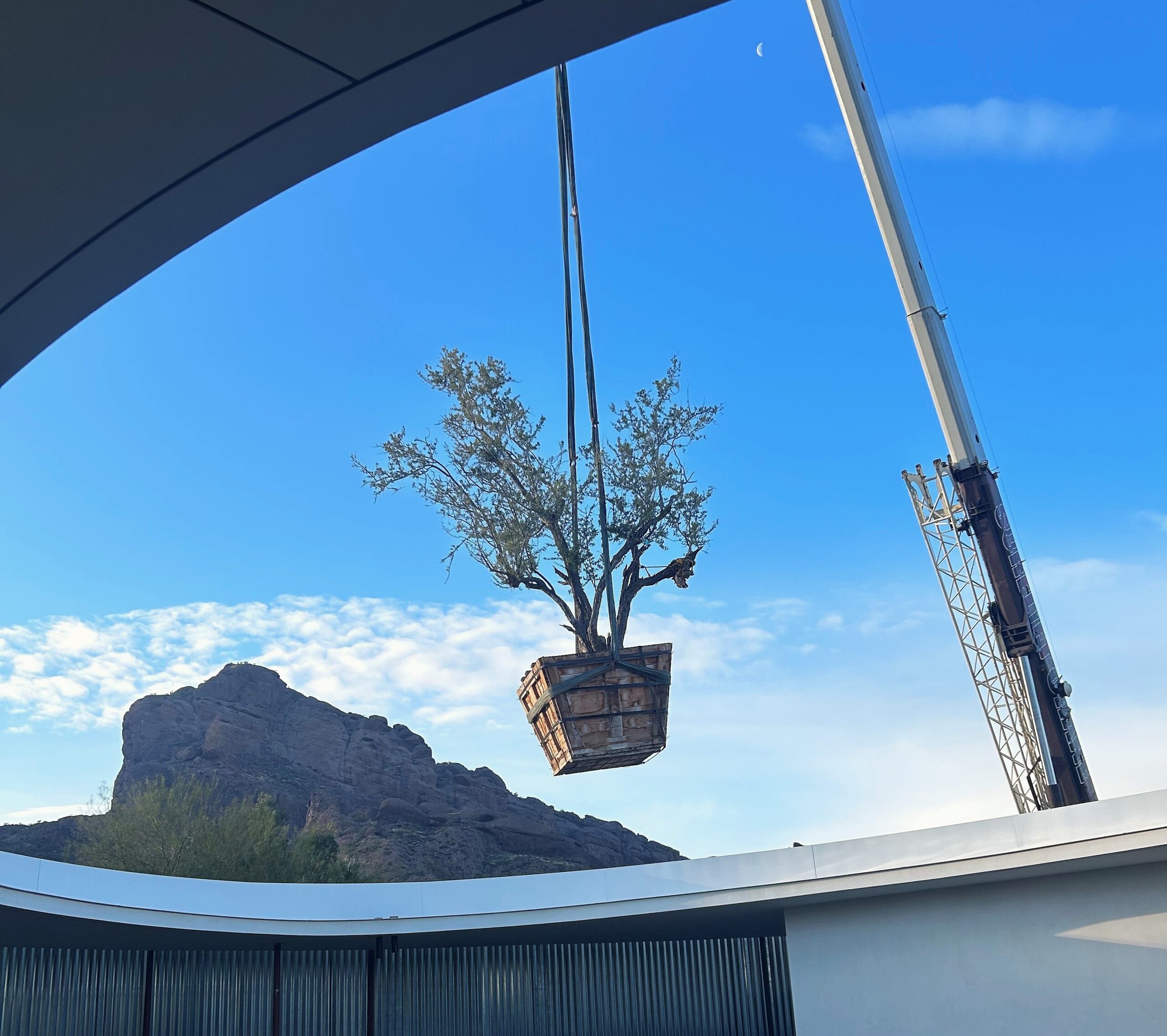
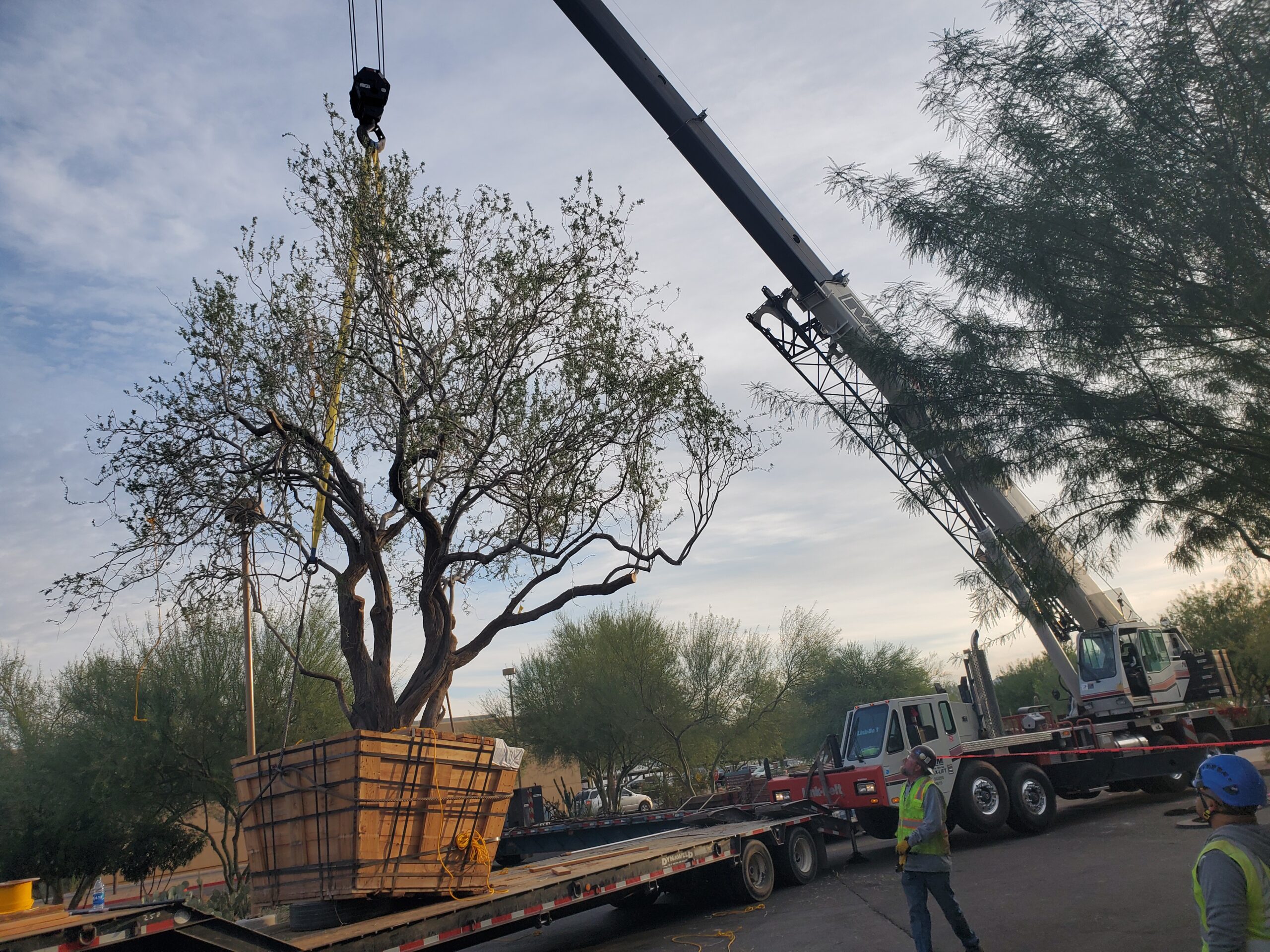
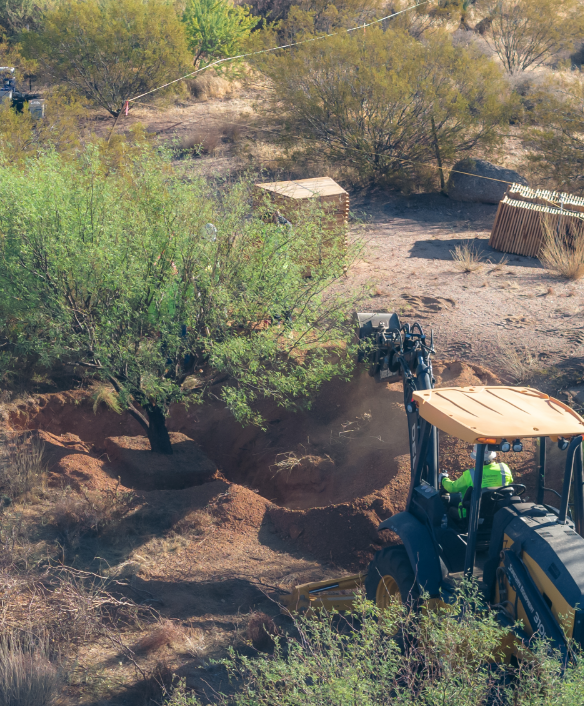
The establishment of woody species is important to aesthetic, forestry, recreation, and wildlife-habitat land uses. Woody species most often are established by planting bare-root seedling grown in nurseries or seedlings grown in containers in greenhouses. Transplanting individual plants or clumps from the wild (wildings) to another site may be useful for certain situations, such as for establishing species that are difficult to start from seed, produce small seed crops, or where mature plants are required.

Factors that influence the success of planting and that can be controlled by the reclamation manager or technician include the (1) quality of planting stock, (2) care of planting stock, (3) method of planting, (4) time of planting, (5) competition from herbaceous vegetation, and (6) soil compaction.

Surface Soil and Groundwater Phytoremediation

Phytoremediation is the use of plants to cleanup or contain contaminants in soil, wastewater streams, or groundwater. The technology is used for both organic chemical contaminants and inorganics, including heavy metals. Several processes can act in concert to remove or stabilize contaminants in planted soils.

Phytoremediation is inexpensive relative to conventional methods and is ideal for large sites with moderate levels of contamination. The installation of plants augments natural attenuation by stimulating soil microorganisms and improving soil structure.

404 Wash Restoration (Sonoran Desert Photo [Scottsdale, Arizona])

Before

After

Web Links

www.phytokinetics.com

References

Chambers, J. C.; Wade, G. L. Evaluating Reclamation Success: The Ecological Consideration. Gen. Tech. Rep. NE-164. U.S. Department of Agriculture, Forest Service, Northeastern Forest Experiment Station; 1997. 178 p.

Phytokinetics Web Site. www.phytokinetics.com

Tueller, P. T. Landscape Ecology and Reclamation Success. In: Gen. Tech. Rep. NE-164. U.S. Department of Agriculture, Forest Service, Northeastern Forest Experiment Station; 1997: 91-97.

Vogel, W. G. A manual for training reclamation inspectors in the fundamentals of soils and revegetation. U.S. Department of Agriculture, Forest Service. Northeast Forest Experiment Station; 1997. 178p.


© 2008 Native Resources International. All Rights Reserved.
Privacy PolicySafety PolicyTerms of UseBookmark UsWebmaster