• Projects in Progress •


Projects in Progress

Transwestern Pipeline - Black Canyon City, Arizona
Verde River Restoration - Ashfork, Arizona
Canyon Lake- Canyon Lake, Arizona
Tovrea Castle Restoration - Phoenix, Arizona
Wickenburg Ranch - Wickenburg, Arizona
Quintero Golf and County Club - Peoria, AZ
DC Ranch - Scottsdale, Arizona
Vistancia - Peoria, Arizona
Montevista - Phoenix, Arizona
Silverado Ranch - Pinal County, Arizona
Colorado Golf Club - Parker, Colorado


Verde River Restoration - Ashfork, Arizona

Pole and Post Harvest

Immediately prior to construction activities by Transwestern Pipeline, Native Resources International (NRI) will harvest a total of 1,186 poles at the Little Hell Canyon and Verde River sites. Representative tree species currently growing at each site will be collected. Salix gooddinggii and Populus fremontii will be harvested for revegetation of the Verde River site. A total of 810 poles, with an average height of 4-5 feet and an approximate diameter of .5”, will be collected at the Verde River site. These poles will be bundled to a diameter of 8”. The total number of bundles will be 54. In addition, 21 posts will be harvested, with an average height of 6-8 feet and a diameter of 4-6”.  A combination of 375 4-5’ Salix nigra, Salix gooddinggii and Populus fremontii poles will be harvested and bundled to a diameter of 8”, totaling 25 bundles, for revegetation at the Little Hell Canyon site. Additionally, 25 posts will be harvested with an average height of 6-8 feet and a diameter of 4-6.” Ideally, pole bundles and posts will be planted within 10 days of harvest (after soaking); however, if time and construction activities do not permit this, they will be placed in cold storage (between 33 and 40 deg. Fahrenheit) for up to 6 months.

Sedge and Prickly Pear Collection - Verde River Site

In an effort to keep the existing wetland vegetation community, approximately 2,250 sedges will be collected at the Verde River site immediately prior to construction activities by Transwestern Pipeline. Harvest of wetland species will entail using a coring device (4-6 inch diameter PVC) to remove actively growing vegetation with healthy rhizomes. These will be placed in trays and stored in stock storage tanks at NRI’s office. They can be stored in this manner for up to 3 months, provided they are kept moist. NRI personnel will ensure that they are not allowed to dry out during this period, until the work site is ready for planting. Also at the Verde River site, approximately 78 Prickly Pear plants will be collected by NRI personnel. These will be in the form of cuttings. Healthy individuals currently growing in the upland area of the site will be chosen, and pads will be removed at joints. The Prickly Pear pads will be allowed to callus at the cut end prior to planting.

Little Hell Canyon Installation

Following construction activities and site preparation, NRI will install previously collected pole bundles and posts. Layout will approximate the Little Hell Canyon Detailed Restoration Plan, with consideration given to actual field conditions in order to maximize water availability until the plants become established. Elk are known to browse at the project site, and therefore the posts and pole bundles will be protected from elk activity. 8’ tall horse fence with 2” X 4” mesh spacing and 12.5 wire gauge will be placed around the pole bundles and posts, and stabilized using 7’ T-posts.

Verde River Restoration

Verde River Restoration will consist of erosion control installation, tree revetment installation, wetland species planting, pole bundle and post installation, and upland species planting.

Following construction activities and site preparation, NRI will begin restoration of the Verde River site. Immediately adjacent to the channel, on either side of the stream along the bank, where appropriate, NRI will install EXCEL SD-3 (Curlex III equivalent) Erosion Control Blanket. This blanket is composed of a 100% High Altitude Rocky Mountain Aspen Excelsior matrix, and is designed to provide erosion protection for up to 18 months. Actual field longevity is dependent upon soil and climatic conditions. The blanket will be installed per the manufacturer’s recommendations.

Along the toe of the bank a tree revetment will be placed. The revetment will consist of approximately 40 individual Junipers secured to the bank with 7.5 foot tall t-posts.

Previously harvested sedges will be planted through the erosion control fabric approximately 2 feet on center (this is subject to change dependent upon actual area to be planted).

Immediately adjacent to the sedge planting area, moving away from the low-flow channel, previously harvested pole bundles and posts will be installed. Pole bundles will be placed closer to the channel, and posts will be planted between the pole bundles and the upland area. Because beaver activity is evident at the Verde River site, pole bundles and posts will be protected by caging. 4 feet tall, 2” X 4” mesh cylinders will be placed around the pole bundles and posts, and stabilized using 5” rebar (orange caps will be placed over the rebar ends for safety).

Container Plant Purchase, Delivery and Installation

48 5-gallon Banana Yucca, 22 Globe Mallow, 34 Cat-Claw Acacia, 33 5-gallon Mesquite (substitute for wait-a-minute bush), 13 1-gallon Mesquite, 1-gallon Mesquite, 14 Apache Plume, and 8 1-gallon Cliffrose will be purchased from a Flagstaff native plant supplier and delivered to the Verde River project site. NRI personnel will plant these containerized plants, along with the previously harvested Prickly Pear cuttings, in the upland areas impacted by construction activities. Containerized plants and cuttings will be laid out using random spacing in order to ensure a natural look. During layout, the NRI supervisor will take into consideration mature height and canopy spread of each species.

We will post pictures of this project as soon as available.


Canyon Lake Riparian Installation - Canyon Lake, Arizona

The Canyon Lake riparian installation for the Salt River Project (SRP) involved the installation of wetland plants on man-made terraces along the Salt River. Tree species like cottonwoods (Populus fremontii) and black, or Goodding’s willow (Salix gooddingi) were planted in the upper banks and terraces while softstem bulrush (Scirpus validus) were planted on the lowest terraces. The trees (52 in quantity) were harvested as pole cuttings from locations along the Salt River drainage earlier in the year specifically for planting at this project. The bulrush propagations (2,000 in quantity) were hand-dug and made within two days of planting. The challenge with a project of this type was coordinating the planting with the lowering of the Salt River so crews could access the terraces. Also placing the plant material at the correct elevation in relation to the daily fluctuations (up to 3 feet) of the Salt River water level is critical for plant survival.

Click here for a picture gallery of Native Resources work at Canyon Lake Riparian Installation.


Tovrea Castle Restoration - Phoenix, Arizona

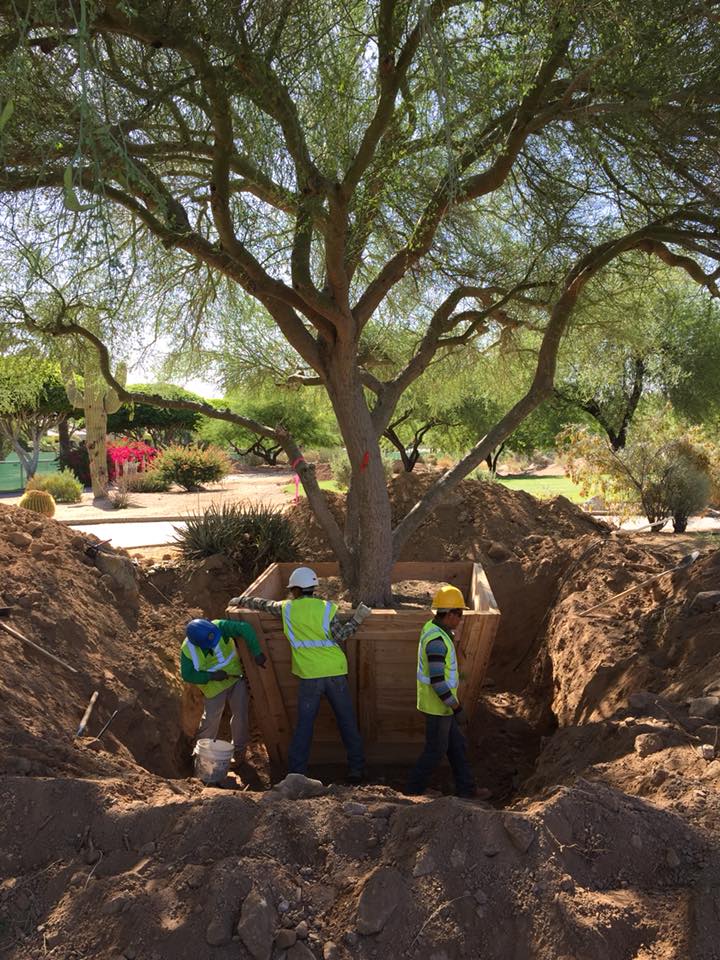
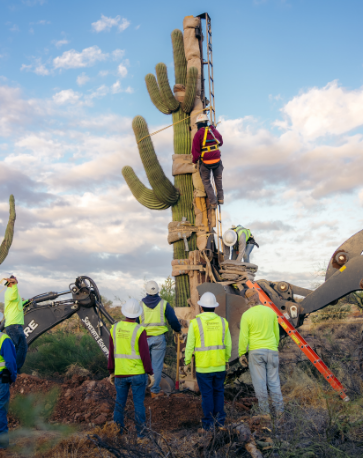
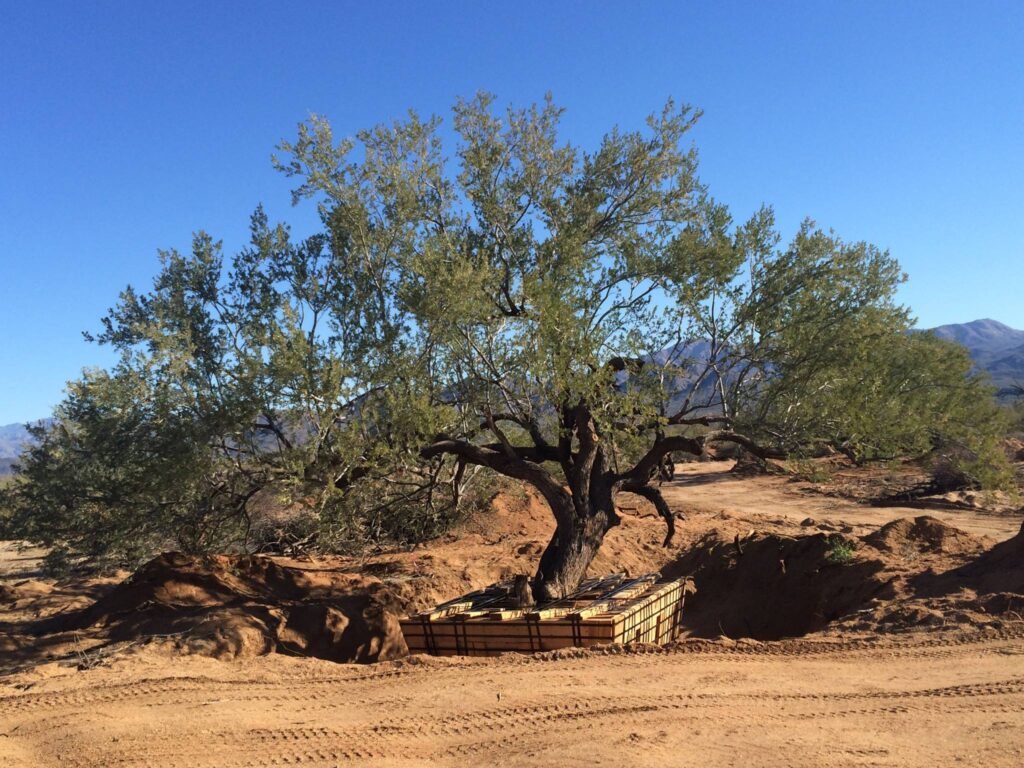
Tovrea Castle is a well-recognized historic landmark in the City of Phoenix. Built in the late 1920’s, it has continued to stand as the city has developed around it. The layer-cake structure and surrounding Carraro Cactus Garden were originally built by an Italian immigrant, whose family inhabited the building until 1969. Recognizing the historic value of the property, the City of Phoenix purchased Tovrea Castle and Carraro Cactus Garden in 1993, and has recently prioritized its restoration. As part of a joint-effort with other cacti specialists and City of Phoenix staff, Native Resources International has proudly been a key player in restoring the Garden. In the summer of 2005, NRI prepared a number of cacti cuttings as part of the first phase of the restoration process. Over 80 individual cuttings were salvaged from Organ Pipe cacti that were threatened by the renovation of the building. NRI staff maintained the cuttings for over a year until they developed roots and their survival was assured. As remnants of the original garden, the organ pipe cuttings were then replanted, serving a historical link between the old and new Carraro Cactus Garden. As part of our continued efforts to restore the Carraro Cactus Garden, in October of 2007, NRI relocated several large Saguaro cacti that were in danger due to the restoration process. Our crews carefully attached the saguaros to a crane, which was skillfully maneuvered to move the plants out of harm’s way. Once safely on the ground, the saguaros were replanted by expert NRI staff using specialized equipment.

Click here for a picture gallery of Native Resources work at Tovrea Castle Restoration.


Wickenburg - Wickenburg, Arizona

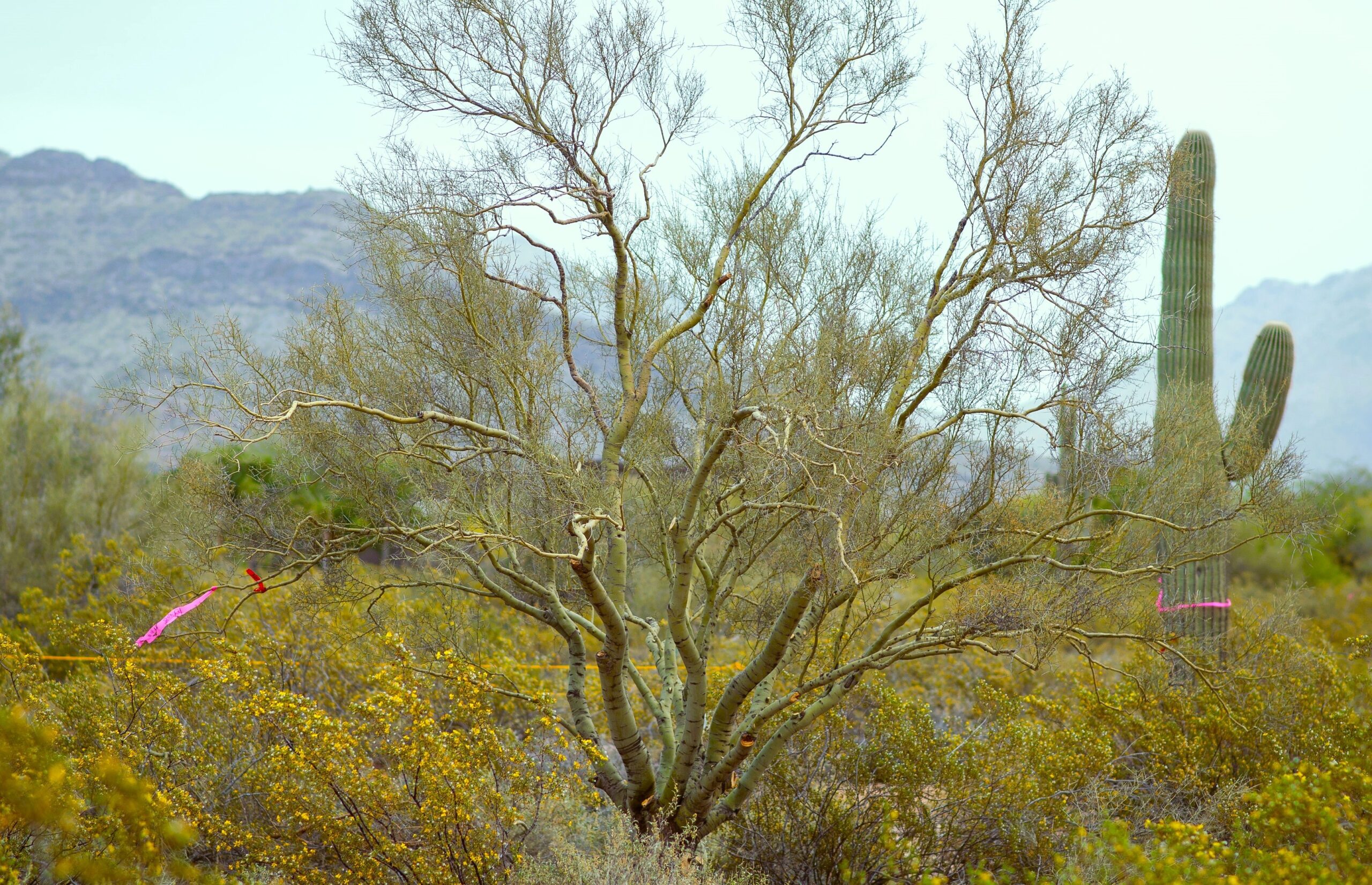
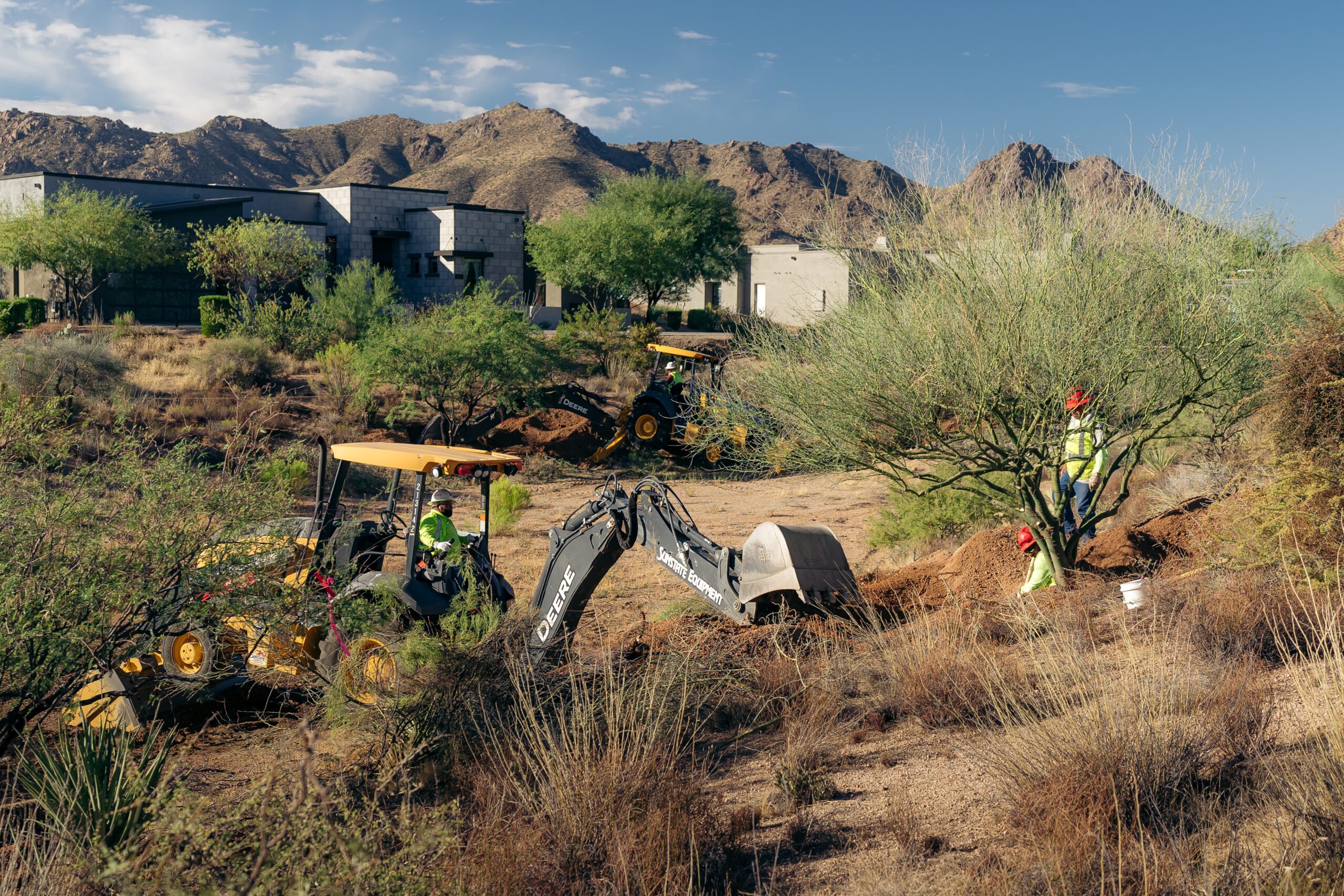
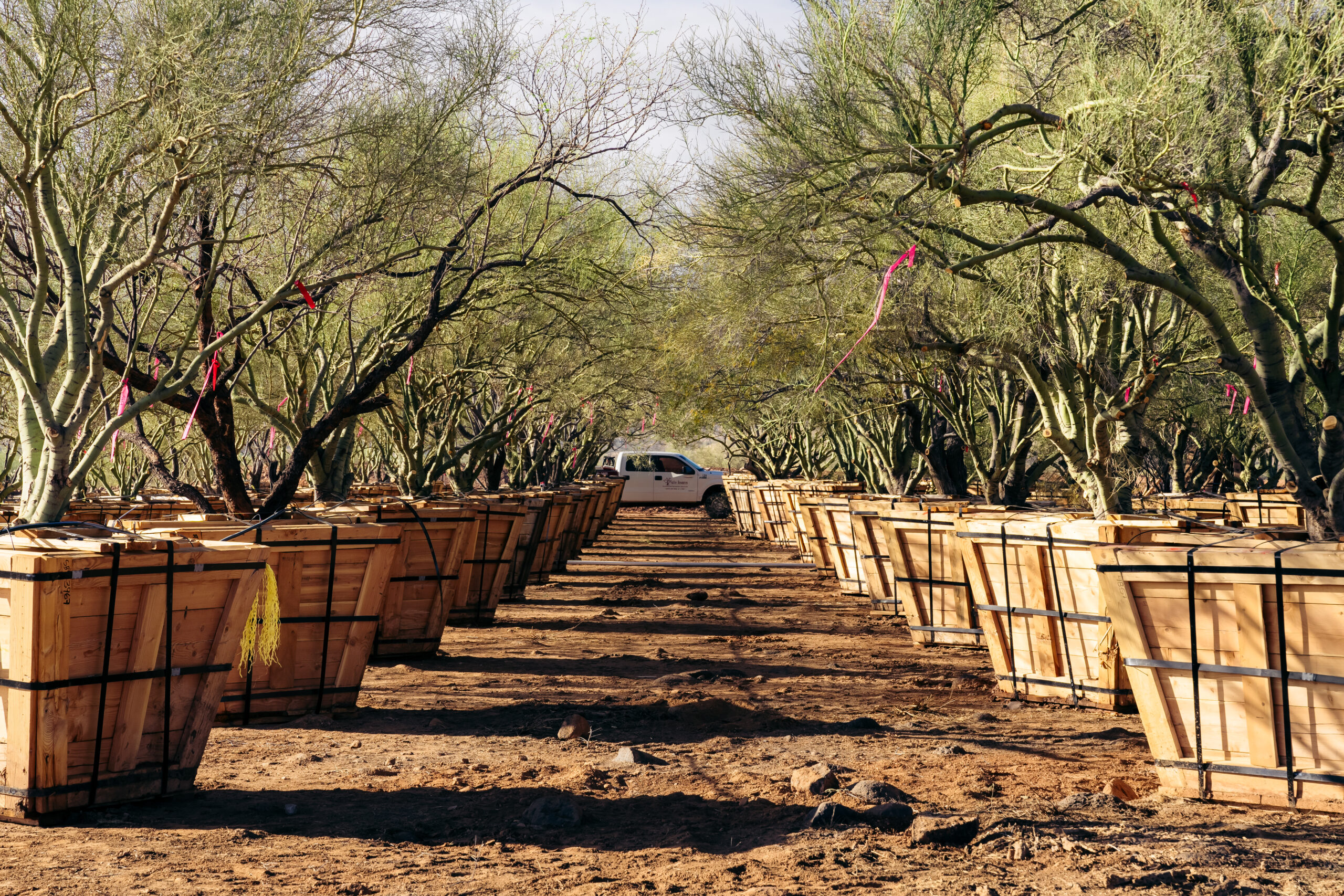
Wickenburg Ranch is located at the intersection of U.S. Highway 93 and State Highway 89 in Yavapai County, Wickenburg Ranch Estates is a 2,300 acre master planned community which will include horse properties, custom home sites and traditional neighborhoods. More than 2,000 assorted native trees and over 3,000 cacti, ocotillos, agaves and yuccas will be salvaged and re-planted. The variety of species available will allow the landscape architectural firm Greey/Pickett an extensive pallet to utilize throughout the community.

Click here for a picture gallery of Native Resources work at Wickenburg Ranch.


Sunhaven - Surprise, Arizona

Sunhaven is a master planned community totaling 2,116 acres and is located north of U.S. Highway 60 (Grand Ave.) at 203rd Ave. and will be incorporated into the City of Surprise. Native Resources International inventoried over 7,600 trees at this project for Element Homes. Due to the topography and soil type of this property few cacti were found on the site which is not uncommon for this area of the northwest valley.


Laughlin Ranch - Bullhead City, Arizona

Native Resources was recently awarded a contract by Landscape Unlimited to provide revegetation services at Laughlin Ranch, Bullhead City, Arizona. There are five (5) separate phases that Native Resources will be working on these range from shrub and tree plantings to Permeon® applications. The project is expected to be completed by Spring 2005.


Quintero Golf and County Club - Peoria, Arizona

Native Resources is back at Quintero Golf and Country Club finalizing the 2.5-mile streetscape installation. The streetscape will serve as the main parkway throughout the project. Working closely with Greey/Pickett Group and Robert Coke Builders, Native Resources was able to transformed the roadways scars into an eye-appealing high-end revegetation. Several hundred specimen trees, shrubs and large cacti originally salvaged by Native Resources were incorporated back into the landscape to give it a mature and natural appearance. The native cobble that was disturbed by the roadway grading process was redistributed to create a natural desert floor. Additional enhancements to the golf course was also done. Large specimen trees were strategically placed to provide a natural screen for new site structures being built within the project. Native Resources looks forward to the upcoming projects that should start in late spring with the development of the Golf Clubhouse and several new housing tracts within the Quintero project. Click here for more information on Native Resources work at Quintero Golf and Country Club.


DC Ranch - Scottsdale, Arizona

DC Ranch is a private golf course community located on 6,000 acres in Scottsdale, Arizona. The owner of the project is DMB Development and the golf course architects are Scott Miller and Tom Weiskopf. Landscape architect services are being provided by the Bowden Design Group and Vollmer and Associates. Native Resources began work on the DC Ranch site in 1996. Services provided by Native Resources include GPS inventory, devegetation, 404 wash reclamation, nursery and revegetation. Native Resources recently completed a 22-acre revegetation of a 404 wash project on the North/South Flood Control Channel. Native Resources transformed the channel into a native wash habitat that seamlessly blends into the adjacent native desert. Large quantities of native cobble and rocks had to be meticulously placed to create the proper appearance of the wash channel. Salvaged trees, shrubs and cacti along with nursery-grown plant materials were utilized throughout the revegetation process. Drip irrigation was installed to ensure the proper establishment of the plant materials, while a native hydroseed mix was applied as a final step to allow the addition of other native grasses and shrubs to thrive in this recreated wash environment. Streetscapes are being installed along the new section of the Horseshoe Canyon Parkway. Native Resources has completed the irrigation system which includes retrofitting of an existing system that has been installed several years prior by Native Resources. The irrigation system is now compatible with the Maxi-Com system being utilized throughout DC Ranch. The majority of the streetscape consists of a native plant reveg palette utilizing both onsite salvaged and nursery-grown materials, while a more enhanced plant palette along with high-end hardscape is being installed at the Guardhouse portion of the project. The project is expected to be completed by early 2005.

Click here for more information on Native Resources work at DC Ranch.


Vistancia - Peoria, Arizona

Native Resources has been an active participant in the development of a new master planned community in Peoria, Arizona named Vistancia. Vistancia consists of 7,106 acres and at completion will consist of approximately 17,000 housing units, 820 acres dedicated to commercial, mixed-use and business park facilities, five golf courses, five school sites including elementary trough high school, six neighborhoods parks and a regional park. Opening to the public in early 2004, Vistancia will feature Trilogy, an active adult community with a public golf course and multiple builder family community with nine neighborhoods featuring a joint model complex and complete private recreational facility for residents. Click here for a picture gallery of Native Resources work at Vistancia.


Montevista - Phoenix, Arizona

Montevista is a community of beautiful Phoenix luxury homes located northeast of Phoenix near fine dining, entertainment venues, special events, museums and golf courses. Native Resources was contracted by Toll Brothers Land Development to salvage over 2,300 trees and cacti. The project had a very aggressive completion schedule requiring NRI to dig, on average over 60 trees a day. NRI completed the project on time with a remarkable survivability rate of 97.5%. Click here for a picture gallery of Native Resources work at Montevista.


Silverado Ranch - Pinal County, Arizona

Silverado Ranch is located five miles east of Quail Run and Skyline Drive in Pinal County and is one of a series of developments by Montalbano Homes. Native Resources International conducted the Native Plant Inventory and Plant Salvage. The salvaged trees were primarily large Ironwoods. Montalbano Homes was not required to salvage the plant material on this project because there were no local municipal plant ordinances. Montalbano Homes recognized the tremendous resources they had and how the salvaged material will make a dramatic impact in the landscape portion of their development.


Colorado Golf Club - Parker, Colorado

Native Resources was contacted in 2003 by Rick Buckton, (who is one of the owners of Redstone Development in Denver) to discuss salvage and revegetation of many beautiful Ponderosa Pines on a potential golf course development in Parker, Colorado. In the spring of 2005, Mr. Buckton and his partners contracted with NRI to start the salvage portion of the project. NRI has been able to save hundreds of huge majestic trees that will be replanted throughout the property that has been named the Colorado Golf Club with a beautiful Bill Coore, Ben Crenshaw designed course.

It has been a pleasure to work with a group of individuals who realize what a valuable resource their large trees are and who go the extra mile to save them. Replanting operations should begin this fall.

Click here for a picture gallery of Native Resources work at Colorado Golf Club.


© 2009 Native Resources International. All Rights Reserved.
Privacy PolicySafety PolicyTerms of UseBookmark UsWebmaster